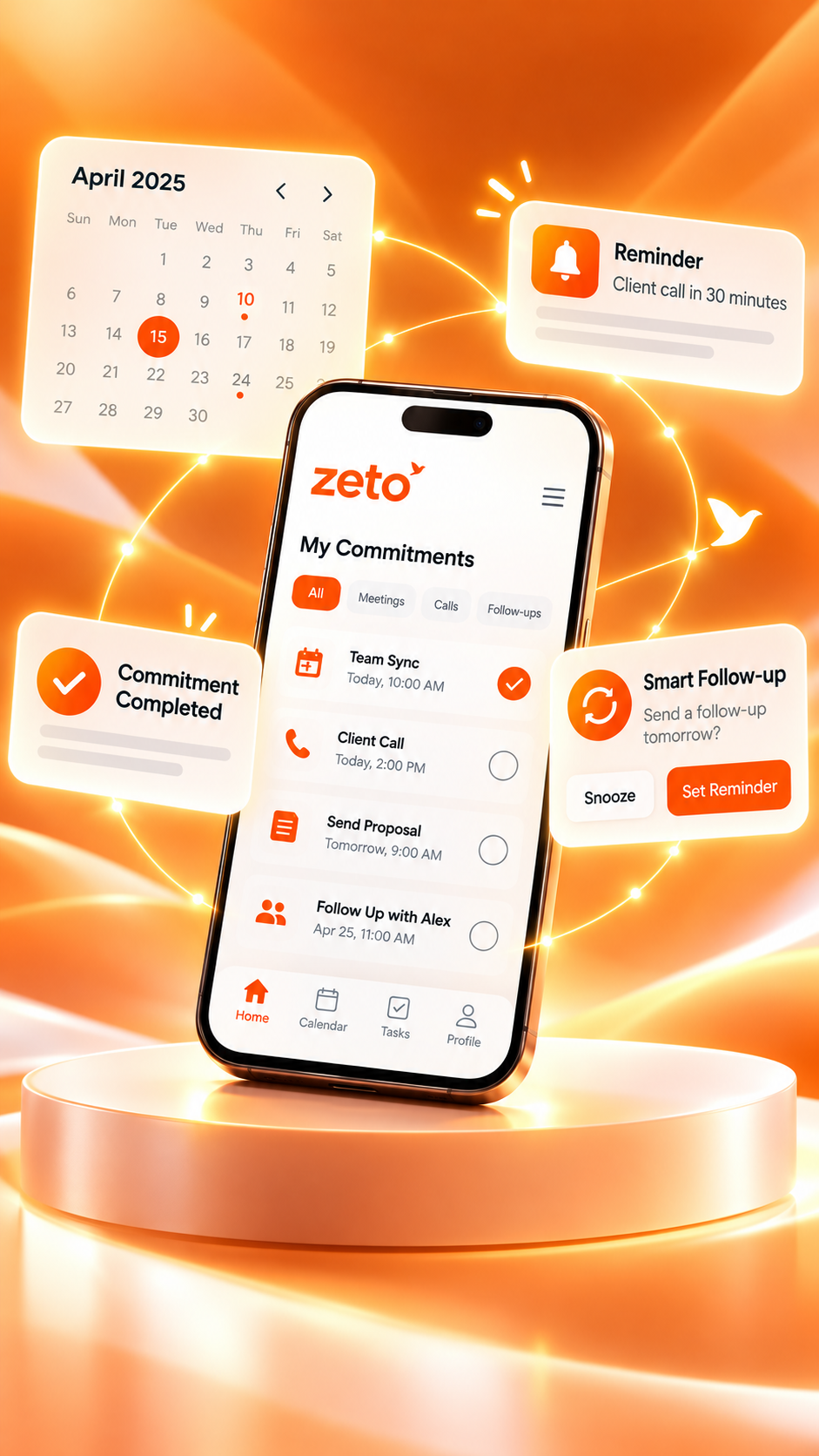
How to Measure Sales Follow-Up Quality, Not Just Call Activity
More calls do not always mean better sales. Learn how to evaluate the quality of the next action, not only the number of times a customer was contacted.
Sales follow-up quality is best assessed through relevance, accuracy, timing, clear ownership and the customer’s verified next step—not call volume alone. A high-quality follow-up addresses the specific concern previously discussed and either advances the decision or makes the remaining barrier clear.
Why call counts can mislead managers
A sales activity report might show that one person completed 60 calls while another completed 35. Those numbers describe effort, but they do not tell a leader whether the calls were relevant, whether commitments were honoured or whether customers received the information they needed.
The higher-volume representative might repeatedly call prospects without a specific purpose. The lower-volume representative may take longer to verify stock, coordinate technical information and provide a complete update. Neither pattern can be judged fairly from count alone.
Activity metrics remain useful: a team still needs sufficient customer contact. The mistake is treating call volume as an adequate proxy for customer experience or commercial progress.
A five-part follow-up quality scorecard
| Dimension | What good looks like | Review question |
|---|---|---|
| Relevance | Reply directly addresses the customer’s current concern | Did we respond to the real question? |
| Accuracy | Rates, dates and specifications match approved records | Was the information verified? |
| Timeliness | Update arrives at the promised or agreed time | Was the customer kept informed? |
| Ownership | Person responsible for next step is clear | Does anyone own the outstanding action? |
| Outcome | Customer received a useful update and a next step | Did the follow-up reduce uncertainty? |
Use a simple 0–2 scale only for coaching, not as an automatic employee ranking: 0 = missing or unclear, 1 = partly met, 2 = verified and clear. If conversation evidence is incomplete, mark “not enough information” rather than guessing.
Weights should reflect the role. A technical specification call may require accuracy above speed; a missed service appointment may require timely communication above everything else. An overall score without this context can be misleading.
Two follow-ups, same customer
Follow-up A: high activity, low information
“Sir, any update on the quotation? Please confirm.” The representative makes several calls but does not answer the customer’s earlier question about installation downtime. The CRM shows contact attempts, but the buying decision remains blocked.
Follow-up B: customer-centered action
“We checked with the technical team. The proposed work requires a site assessment before we can confirm reopening time. Can we schedule that assessment for Thursday?” This follow-up addresses the real dependency and proposes a specific next step.
This is an illustrative comparison, not a guaranteed sales result. The second response is better because it is relevant, appropriately qualified and actionable—even though it may have required fewer calls.
Four metrics to review alongside volume
| Metric | Practical definition | Why it matters |
|---|---|---|
| Promise-kept rate | Verified commitments completed ÷ verified commitments due | Tests follow-through rather than activity |
| On-time customer update rate | Updates delivered by agreed time ÷ updates due | Shows reliability |
| Meaningful follow-up rate | Follow-ups with a specific answer or next step ÷ reviewed follow-ups | Separates useful contact from routine chasing |
| Avoidable repeat contact | Contacts repeated because a previous promised answer was missing | Highlights handoff or quality gaps |
Define each denominator before using a metric. A promise that was legitimately renegotiated, a customer who has not responded and a technical approval outside the salesperson’s control should not all be counted as the same failure.
A weekly review that takes quality seriously
- Select a balanced sample across new leads, quotations, renewals and delayed deals rather than looking only at failed opportunities.
- Review the previous customer question, the promise or next step and the follow-up response. Listen to the source when details are material.
- Label whether delays came from unclear communication, missing ownership, external dependencies or unavailable information.
- Coach on one improvement at a time: better question confirmation, clearer deadlines or stronger handoffs.
- Track whether the next review shows fewer repeat issues, not simply a larger number of outgoing calls.
Discuss findings with the employee. A short summary never captures every operational constraint. Coaching should be specific, collaborative and based on verified evidence.
How ZETO AI supports follow-up reviews
ZETO AI can help organize eligible recorded customer discussions into summaries and reminders. ZETO Enterprise describes workspaces for activity, open commitments, customer signals and customer context. Together, they provide a useful starting point for examining whether the follow-up addressed the customer’s actual need.
This is not the same as promising an automatic sales-quality score or a guaranteed improvement in conversion. A business still needs agreed definitions, verified outcomes, clear consent, and its CRM or order systems for commercial truth.
The strongest use is evidence-led coaching: ask what was discussed, what was promised, what happened next and what support would help the person improve.

How to introduce the scorecard fairly
Start with five to ten voluntarily reviewed customer interactions and assess whether two independent reviewers agree on the quality dimensions. Share the criteria before using them. Keep personal information protected, explain to team members how the reviews are used and correct errors quickly.
Avoid rewarding short calls or penalizing complex customers. The goal is to make customer communication more useful and reliable, not to turn every conversation into a competition.
Understand the conversation behind the outcome.
Explore how ZETO Enterprise brings permitted customer discussions, open commitments and follow-up context into a clearer picture.
Frequently asked questions
What is sales follow-up quality?
It is how well a follow-up addresses a customer’s specific need with accurate information, appropriate timing, clear ownership and a meaningful next step.
Is call volume still an important KPI?
Yes, as a measure of activity and reach. It should sit beside quality and outcome measures rather than replace them.
What is a meaningful follow-up?
An update that answers a relevant question, confirms a commitment, clarifies a dependency or proposes a useful next step.
How do I calculate a promise-kept rate?
Divide verified commitments completed by verified commitments due in the chosen period. Define how renegotiated or externally blocked items are handled.
Can AI score sales employees fairly on its own?
No. AI can help surface review candidates, but context, data coverage, employee explanations and verified outcomes are essential.
Can ZETO Enterprise replace my CRM reports?
It is better viewed as a complementary conversation-context layer rather than a replacement for deal, order or revenue systems.
How often should follow-up quality be reviewed?
A small weekly or fortnightly sample can support coaching. Adjust the cadence to the sales cycle and available review capacity.
Should every interaction be recorded?
No. Only record or process conversations under appropriate permissions, business policies and applicable laws.
Sources and further reading
Product descriptions were checked against ZETO’s published pages. Examples and recommended processes are educational, not claims about live customer accounts or guaranteed results.
ZETO Enterprise overviewZETO AI AppZETO Android app descriptionGoogle’s people-first content guidance